
A long catalog is not the same as a strong Bluetooth speaker product line. Importers and distributors need models that perform different commercial jobs: one may make the first order easier, another may generate repeat volume, and a third may attract attention in a store or short video. A practical sourcing strategy starts with the buyer's channel, not with the speaker that has the longest specification list.
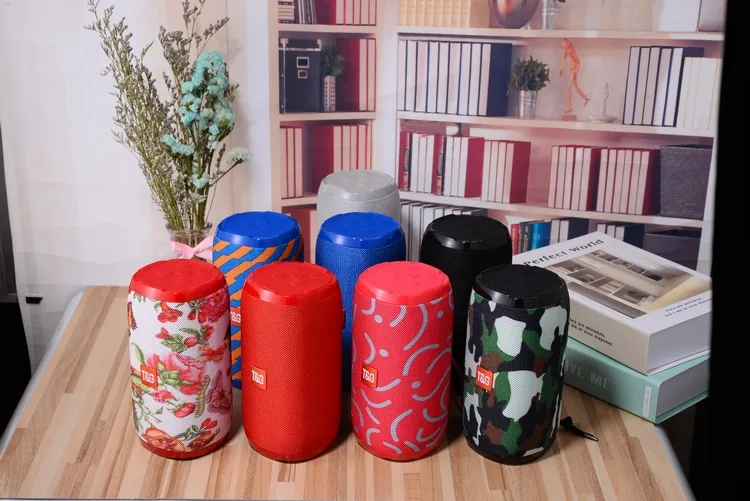
Start With the Sales Channel, Not the Feature Count
A mobile accessories wholesaler, promotional gift company, marketplace seller and regional electronics distributor may all buy Bluetooth speakers, but they do not evaluate a range in the same way. The wholesaler may prioritize compact packing and repeatable supply. A gift company may focus on logo area, presentation and project timing. An e-commerce seller needs a product that can be understood quickly in a thumbnail or short video. A distributor may need several price and size positions for different retail accounts.
Before asking a factory for recommendations, define the destination market, buyer type, sales channel, target price position and expected first-order quantity. This filters the catalog more effectively than asking for the newest model or the lowest factory price.
The Three Commercial Roles: Entry, Core and Hero
Entry Model
A compact, understandable speaker that helps buyers test a channel or fill an accessible price position. It should be easy to present, pack and reorder without unnecessary complexity.
Core Model
The model expected to support repeat business. Buyers should pay close attention to sample consistency, stable specifications, packing efficiency and reliable production communication.
Hero Model
A product with a clear visual or usage story that earns attention in listings, stores or short videos. RGB lighting, a distinctive form, magnetic use or outdoor attachment may create that role when the feature is genuine and easy to demonstrate.
These roles are commercial, not technical rankings. The hero model does not need to be the biggest speaker, and the entry model should not be treated as a disposable low-quality product. Each model needs a clear reason to exist in the range.
Match Product Direction to Buyer Type
- Mobile accessories wholesalers: compact mini or portable models, channel-appropriate packaging, useful color options and efficient carton planning.
- Gift companies: visible logo area, packaging customization, manual and label preparation, sample approval and dependable project scheduling.
- TikTok Shop, Shopee, Lazada and other e-commerce sellers: products with demonstrable lighting, size, attachment or usage scenarios, supported by accurate photos and short product videos.
- Regional importers and distributors: a balanced range covering different price, size and use positions, with repeat-order continuity and clear packing information.
- Private-label brands: a coherent visual identity across logo, color, packaging and product selection rather than unrelated models carrying the same brand mark.
Portable, mini, RGB, gift, magnetic, outdoor and selected high-power speakers can all be useful, but they should not receive equal emphasis in every market. The right mix depends on where and how the buyer plans to sell.
Use Visual Appeal as a Sales Tool, Not a Substitute for Quality
Short-video and marketplace channels reward products that communicate quickly. RGB lighting, compact size, carrying handles, clips, magnetic attachment and visible controls can make a product easier to demonstrate. However, a visual hook only creates the first click. Buyers still need to check Bluetooth stability, charging behavior, sound at working volume, control response, surface quality and consistency between sample and bulk production.
Ask for unedited product operation clips as well as polished marketing assets. A clean hero image helps a listing, while a simple video showing controls, lighting, ports and scale helps the buyer verify what is actually being offered.
Plan Logo, Color and Packaging Across the Range
A private-label product line looks more credible when branding rules are consistent. Confirm the logo method and position for each model, the allowed color options, packaging hierarchy, manual language, barcode, product label and outer-carton shipping mark. Not every customization has the same MOQ or setup requirement.
Buyers should separate essential brand requirements from optional changes. A standard housing with a clear logo and well-prepared color box may be more practical for a trial order than requesting structural changes before the channel has been validated. Final customization options, cost and MOQ require confirmation by model.
Approve Samples by Role, Not Only by Appearance
The sample checklist should reflect the model's job. For a core model, repeatable charging, Bluetooth connection, sound and packaging may matter most. For a hero model, the buyer should also verify that the visual feature records clearly on a phone and remains consistent across available colors. For a gift project, logo appearance, box artwork and presentation may require additional approval points.
Record the approved sample, specification, color, logo artwork, packaging version and accessories. This creates a practical reference for production and pre-shipment quality checking. The Bluetooth speaker QC checklist provides additional inspection points for importers.
Check Packing and Delivery Before Finalizing the Mix
A product line should work in the shipping plan as well as in the catalog. Request pieces per carton, carton dimensions, net weight, gross weight and CBM for the models under consideration. Large differences in carton efficiency can affect the commercial result even when unit prices appear close.
Confirm whether the order will use EXW, FOB or delivery to a buyer-appointed forwarder warehouse in China. Battery and transport documents vary by model, destination and shipment method. Review the Bluetooth speaker shipping guide and ask the forwarder which documents are required before production is complete.
A Practical Product-Line Brief for the Factory
A useful brief does not need to be long, but it should be specific. Include:
- Target country and sales channels.
- Buyer type and expected retail or wholesale positioning.
- Required entry, core and hero product roles.
- Preferred product directions, such as mini, portable, RGB, gift, magnetic or outdoor.
- Estimated trial quantity and possible repeat-order quantity.
- Target price position and preferred trade term.
- Logo, packaging, manual, barcode and shipping-mark requirements.
- Required product photos, videos and sample checks.
- Destination, forwarder warehouse or FOB port plan.
This information allows a Bluetooth speaker manufacturer or supplier to recommend a focused group of models instead of returning an unfiltered catalog.
How T&G Supports Product-Line Selection
T&G / Shenzhen Chengtai Electronic Technology Co., Ltd. is a Bluetooth speaker OEM/ODM factory in Shenzhen, China. T&G manufactures portable, mini, RGB, gift, magnetic, custom-logo and selected high-power Bluetooth speakers for importers, distributors, mobile accessories wholesalers, gift companies, e-commerce sellers and private-label buyers.
Buyers can share their country, sales channel, target price position, estimated quantity and branding needs so T&G can discuss a relevant model mix. Depending on the selected product and project, support can include custom logo, packaging, samples, product photos and videos, quality checking, EXW or FOB quotation discussion and delivery to a buyer-appointed forwarder warehouse in China.
Review the T&G product lines, OEM/ODM options, factory capability and B2B buyer FAQ. Final price, MOQ, stock, lead time, certification support and customization feasibility must be confirmed for the selected model and order date.
Buyer FAQ
Bluetooth Speaker Product-Line Questions
How many Bluetooth speaker models should an importer launch first?
There is no fixed number. A first range should be small enough to sample, market and reorder consistently while covering distinct buyer needs. Many buyers start by testing separate entry, core and visual hero roles rather than selecting many similar models.
Does the hero model need to be the largest or most powerful speaker?
No. A hero model is the product that communicates the line most clearly in a store, listing or short video. It may stand out through RGB lighting, form factor, magnetic use, color or another demonstrable feature rather than maximum power.
Can one Bluetooth speaker model serve every sales channel?
Usually not equally well. Mobile accessories wholesalers, gift companies, marketplace sellers and regional distributors have different requirements for price position, packaging, visual appeal, repeat supply and customization.
Can buyers mix colors or models in one Bluetooth speaker order?
Color and model mix options depend on the selected product, quantity, component commitments and packaging requirements. Buyers should ask the factory to confirm the available mix, MOQ and packing plan before quotation approval.
What should an importer send before asking for a product-line recommendation?
Share the destination market, sales channel, target price position, expected quantity, product roles, logo and packaging needs, preferred trade term and any required product documents.
Can T&G confirm final price, MOQ, stock and lead time from this guide?
No. Final price, MOQ, stock, lead time, certification support and customization feasibility must be confirmed for the selected model, quantity, destination and order date.
About T&G
T&G Bluetooth Speaker OEM/ODM Factory in Shenzhen
T&G is a Bluetooth speaker factory in Shenzhen, China. We manufacture portable, mini, RGB, gift, magnetic and custom logo Bluetooth speakers for global B2B buyers.
T&G supports importers, distributors, mobile accessories wholesalers, gift companies, e-commerce sellers and private-label brands with model selection, OEM/ODM discussion, custom logo, packaging and factory quotation support.