
For Bluetooth speaker importers, the product quotation is only one part of landed purchasing cost. Battery document requirements, trade terms, cartons, CBM, forwarder instructions and destination charges can all affect the final delivery plan. This guide explains the complete operational flow of Bluetooth speaker shipping from China without replacing advice from your freight forwarder, customs broker or destination authority.
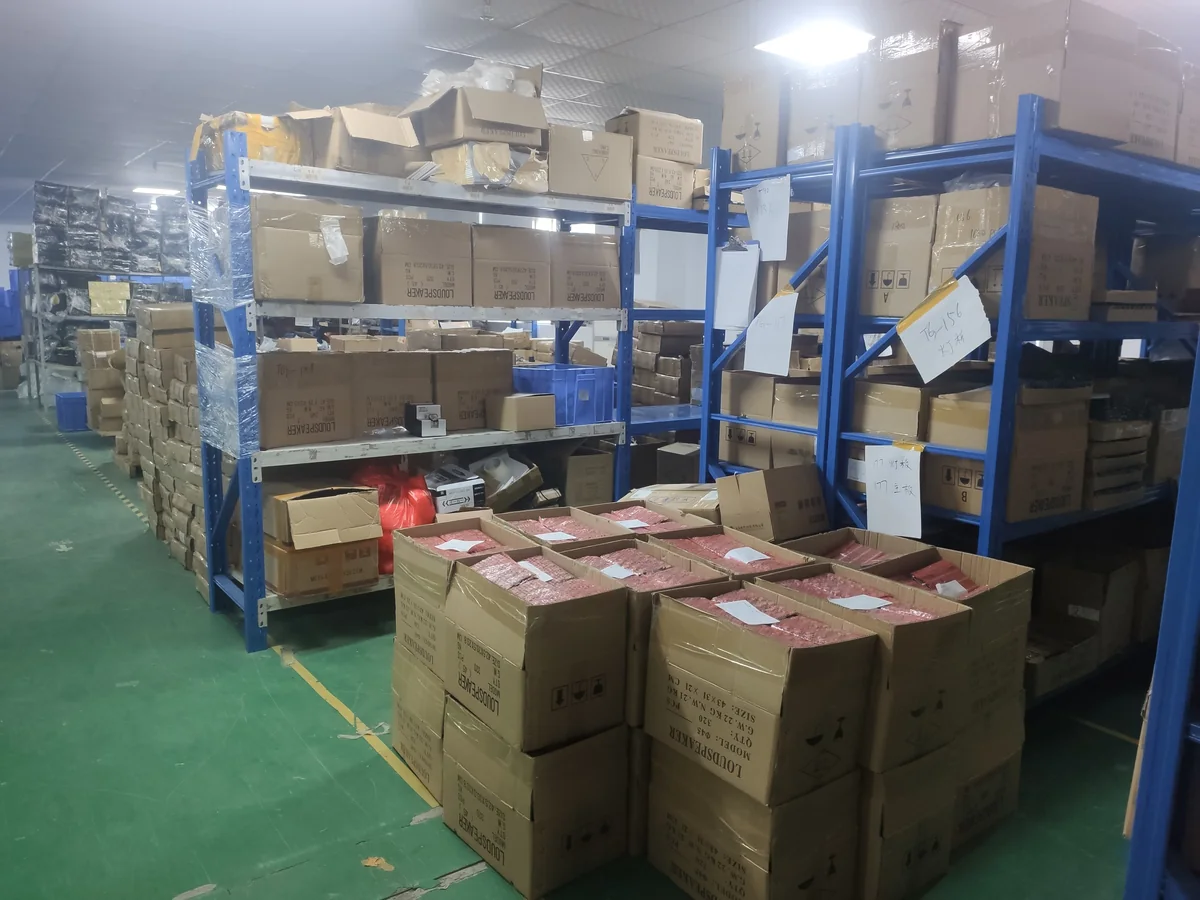
Why Bluetooth Speakers Require Special Shipping Attention
Most portable Bluetooth speakers contain rechargeable lithium batteries. This means buyers cannot treat them exactly like non-battery accessories. A carrier or forwarder may need to review the battery type, product model, quantity, packing method and transportation documents before accepting the shipment.
The shipping plan also changes with order size. A sample sent by express, a small air shipment and a container or less-than-container sea shipment may use different procedures. Destination rules, customs classification, platform requirements and the forwarder's operating policy can also differ. Importers should therefore confirm the route before mass production is completed, not after cartons are already waiting for pickup.
A useful first step is to share the product list, battery information, estimated cartons, destination and preferred shipping method with the forwarder. The forwarder can then explain which documents and packing details are required for that specific route.
Common Battery and Shipping Documents
When buyers plan to ship Bluetooth speakers with lithium batteries, common discussions include MSDS, UN38.3 and other transportation-related documents. MSDS provides safety and handling information. UN38.3 relates to lithium battery transport testing. Depending on the product and route, a forwarder may ask for additional declarations, labels, test summaries or product information.
Certification and document requirements vary by model, battery configuration, destination and shipping method. A document prepared for one model or battery should not automatically be assumed to cover every product. Buyers should send the selected model list to both the supplier and forwarder and confirm whether the document details match the actual goods.
The existing Bluetooth speaker MSDS and UN38.3 guide explains battery-document checks in more detail. This shipping guide focuses on how those documents fit into the wider quotation, packing, warehouse delivery and freight process.
EXW vs FOB vs CIF for Bluetooth Speaker Buyers
Trade terms influence which party arranges each part of the journey and which costs are included in the supplier quotation. Buyers should confirm the named place or port and request a written list of inclusions instead of comparing only the headline price.
EXW factory price
With an EXW quotation, the buyer generally arranges pickup from the agreed factory or warehouse location and manages the following origin transport and export process through a forwarder. Buyers should confirm pickup address, carton data, loading conditions and any warehouse delivery cost.
FOB Shenzhen / Yantian
With an agreed FOB quotation, the supplier normally handles the specified origin process and delivery to the named port, such as Shenzhen or Yantian, according to the quotation. Buyers should still confirm which local charges, customs documentation and port costs are included.
CIF to a named destination port
CIF normally includes agreed cost, insurance and freight to the named destination port. It does not mean every destination expense is paid. Import customs clearance, import duty, destination handling and inland transportation commonly remain buyer-side responsibilities unless separately agreed.
For ocean freight, buyers should ask their forwarder about origin charges, sea freight, destination charges, customs clearance, import duty and inland transportation. A low freight quote can still produce a high landed cost if destination fees are not clear. For private-label orders, packaging size and carton efficiency can also change freight cost even when the unit price is unchanged.
Delivering Goods to a Forwarder Warehouse in China
Many importers use a consolidation or export warehouse in Shenzhen, Guangzhou, Yiwu or another Chinese logistics hub. Before the factory dispatches goods, the buyer should provide complete warehouse instructions. Missing warehouse codes or shipping marks can cause receiving delays or make cartons difficult to identify.
- Warehouse company: the legal or operating name used by the receiving warehouse.
- Receiver: the person or department responsible for accepting the shipment.
- Phone number: a working local contact for the driver and warehouse.
- Full address: province, city, district, street, building and floor where applicable.
- Warehouse code: customer code, booking number, inbound number or reference required by the forwarder.
- Shipping mark: the exact mark that should appear on each outer carton.
Buyers should also confirm whether the warehouse requires an appointment, inbound form, carton labels, palletization, delivery note or advance notice. T&G can discuss delivery to a buyer-appointed forwarder warehouse in China after the address, receiving requirements and delivery cost are confirmed.
Packing, Carton Quantity, Weight and CBM
Freight planning depends on accurate packing data. Before booking transport, importers should request a packing list or final carton summary. Preliminary data can be used for early estimates, but final figures should reflect the actual packed order, especially when private-label boxes, accessories or mixed models are involved.
PCS / carton
The number of speaker units packed in one outer carton. This can change when packaging or accessories change.
Carton size
The external length, width and height of one shipping carton, normally stated in centimeters.
N.W.
Net weight refers to the goods weight according to the packing definition used for the shipment.
G.W.
Gross weight includes the packed carton and is important for air, express and handling calculations.
CBM
Total cubic meters are calculated from carton dimensions and carton quantity and are especially important for sea and rail planning.
Shipping mark and packing list
The carton mark identifies the shipment, while the packing list records models, quantities, cartons and weight details.
A common cubic-meter calculation is carton length × width × height in meters × carton quantity. Buyers should use the final packing dimensions supplied for the order rather than dimensions copied from an old quotation. Mixed-model shipments should show carton data by model so the forwarder can check total quantity, weight and CBM.
Choosing Sea, Air, Rail or Express Shipping
There is no single best shipping method for every Bluetooth speaker order. The decision depends on volume, gross weight, battery acceptance, destination, required delivery window and landed-cost target. Fixed prices and fixed transit times are unreliable because freight conditions and routes change.
- Sea freight: often considered for larger commercial orders where cost per unit is more important than speed. Buyers should compare full origin and destination charges.
- Air freight: can support time-sensitive commercial shipments, subject to airline, battery and document acceptance. Chargeable weight may be based on actual or volumetric weight.
- Rail freight: may be available for selected China-Europe or regional routes. Availability, battery policy and handover arrangements should be checked with the forwarder.
- Express or courier: commonly used for samples or limited quantities when the courier accepts the product and battery documents. Buyers should not assume that every courier service accepts every battery shipment.
Importers should ask at least two questions before choosing a route: what is included in the quotation, and who is responsible for customs clearance and final delivery? For e-commerce sellers, inventory urgency may justify a split shipment, with a small approved quantity moving faster and the main order using a lower-cost route. This should be planned with the forwarder rather than assumed.
What Importers Should Confirm Before Shipment
- Final model, color and quantity match the purchase order.
- Logo, packaging, manual, barcode and carton mark match approved artwork.
- Battery and transportation documents match the selected model and route.
- Product function, charging, sound, RGB/LED and appearance checks are complete.
- Accessories and spare items are counted.
- Pieces per carton, carton quantity, dimensions, N.W., G.W. and CBM are confirmed.
- Packing list, commercial invoice and required shipment references are prepared.
- EXW, FOB or other agreed trade terms and named place/port are written clearly.
- Forwarder warehouse address, receiver, phone, code and shipping mark are confirmed.
- Pickup, port delivery or warehouse appointment has been coordinated.
- Destination customs clearance, import duty and inland transport responsibilities are understood.
- Inspection photos, packing photos or third-party inspection are completed where required.
Buyers can combine this shipping checklist with the T&G buyer FAQ, OEM/ODM process and quality-control checklist. Clear information before dispatch reduces avoidable warehouse, document and packing errors.
How T&G Supports Bluetooth Speaker Importers
T&G / Shenzhen Chengtai Electronic Technology Co., Ltd. is a Bluetooth speaker OEM/ODM factory in Shenzhen, China. We support importers, distributors, wholesale buyers, private-label brands and e-commerce sellers sourcing portable, mini, RGB, gift, magnetic, custom-logo and selected high-power Bluetooth speakers.
For suitable projects, T&G can discuss product and packing details, MSDS or UN38.3 support depending on the selected model, packing lists, carton marks, delivery to the buyer's forwarder warehouse in China and EXW or FOB quotation requirements. OEM/ODM support can also include custom logo, private-label packaging, manuals, stickers, barcodes and carton information.
Document availability and shipping arrangements must be confirmed for the actual model, destination and route. T&G does not assume that every order uses identical battery documents or transport procedures. Buyers are encouraged to share their forwarder's requirements before production or packing is finalized.
Bluetooth Speaker Shipping FAQ
Can a Bluetooth speaker factory deliver to my forwarder warehouse in China?
Yes, delivery to a buyer-appointed forwarder warehouse can be discussed. Provide the warehouse company, receiver, phone number, full address, warehouse code and shipping mark before dispatch.
What documents may be needed to ship Bluetooth speakers with lithium batteries?
A forwarder may request MSDS, UN38.3 or other transportation-related documents. Requirements vary by model, battery, destination and shipping method, so confirm them before shipment.
What is the difference between EXW and FOB for Bluetooth speaker orders?
Under EXW, the buyer generally arranges pickup and the following export transport from the agreed location. Under FOB, the supplier handles agreed origin procedures and delivery to the named port according to the quotation. Always confirm the included charges in writing.
What carton information should importers request?
Request pieces per carton, carton quantity, carton dimensions, net weight, gross weight, total CBM, shipping mark and packing list details.
Should buyers arrange inspection before shipment?
Buyers should agree on pre-shipment quality and packing checks. Depending on order value and risk, this may be supplier QC, buyer inspection or third-party inspection.
About T&G
T&G Bluetooth Speaker OEM/ODM Factory in Shenzhen
T&G is a Bluetooth speaker factory in Shenzhen, China. We manufacture portable, mini, RGB, gift, magnetic and custom logo Bluetooth speakers for global B2B buyers. OEM/ODM, custom logo and packaging are available for suitable projects.
T&G works with importers, distributors, mobile accessories wholesalers, gift companies, e-commerce sellers and private-label brands. Contact us with your model, quantity, market, packing plan and forwarder requirements.